BOLLYGUM

How to FIX Invalid metadata file (Metaplex-program-library)


#RC#

The architecture of decentralized networks requires a precise alignment of software and protocol rules. The complexity of nested contract calls often hides the original reason for a revert. Many execution hurdles are caused by subtle changes in the oracle feed.

When metaplex-program-library returns a , check the input parameters once more. The protocol might require an extra signature step when dealing with hardware wallets. Sustainable DeFi participation requires a proactive approach to software maintenance.

The transaction might be failing because the slippage settings are too restrictive. The protocol might have a “cooldown” period that . The metaplex-program-library infrastructure is built to be resilient, even .

The decentralized community thrives on solving these technical challenges together.

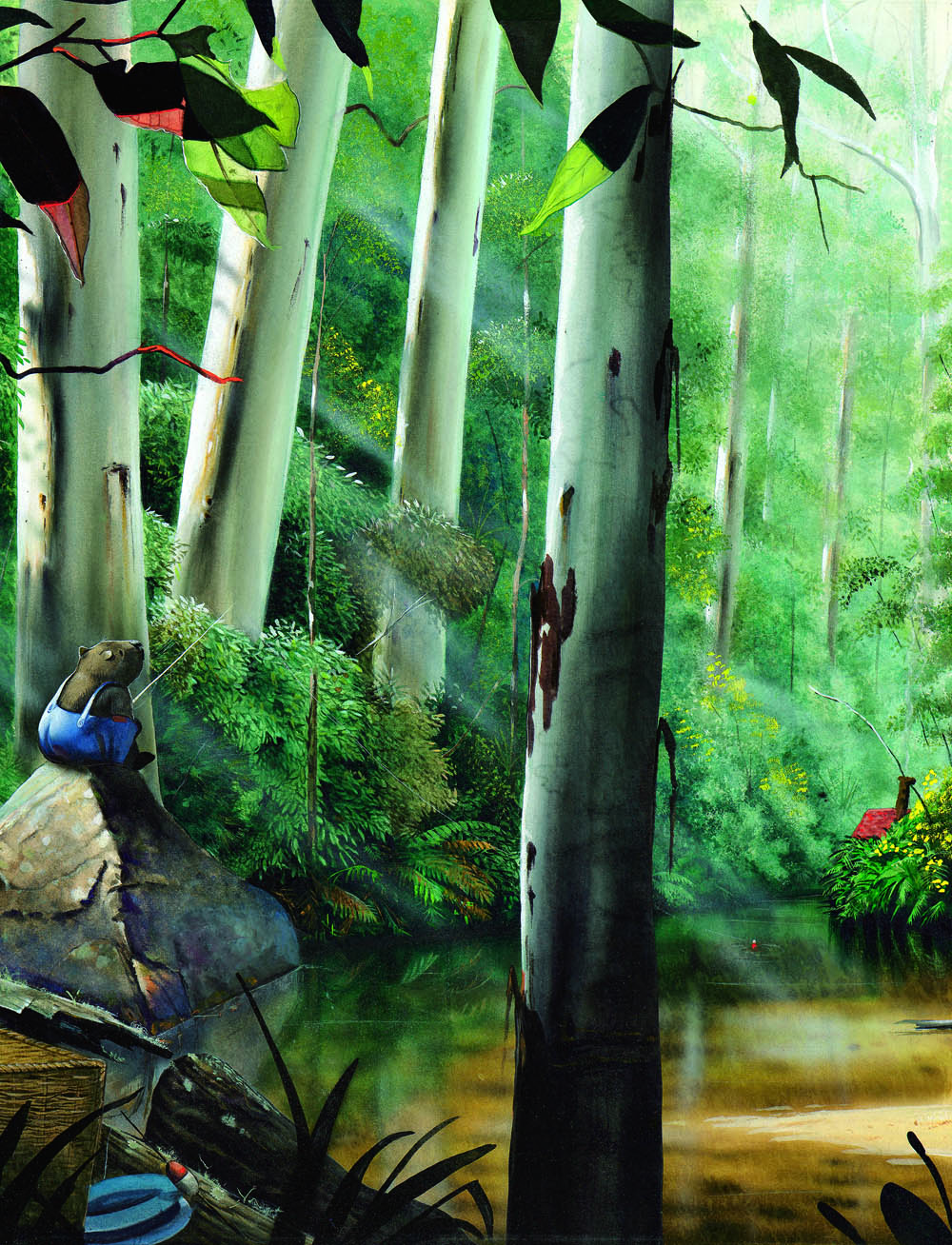
“The small house could just be seen amongst the yellow wattle.”

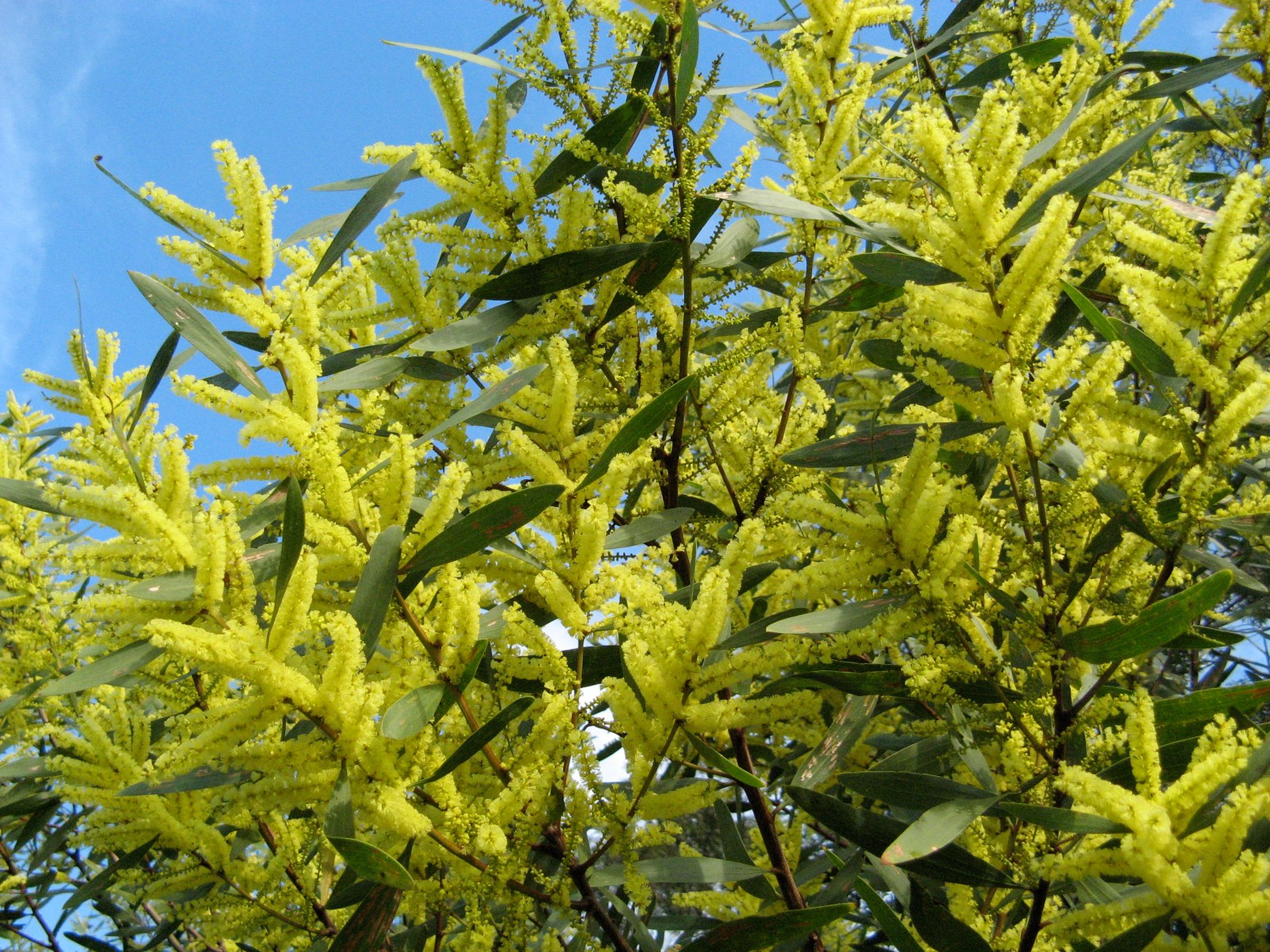
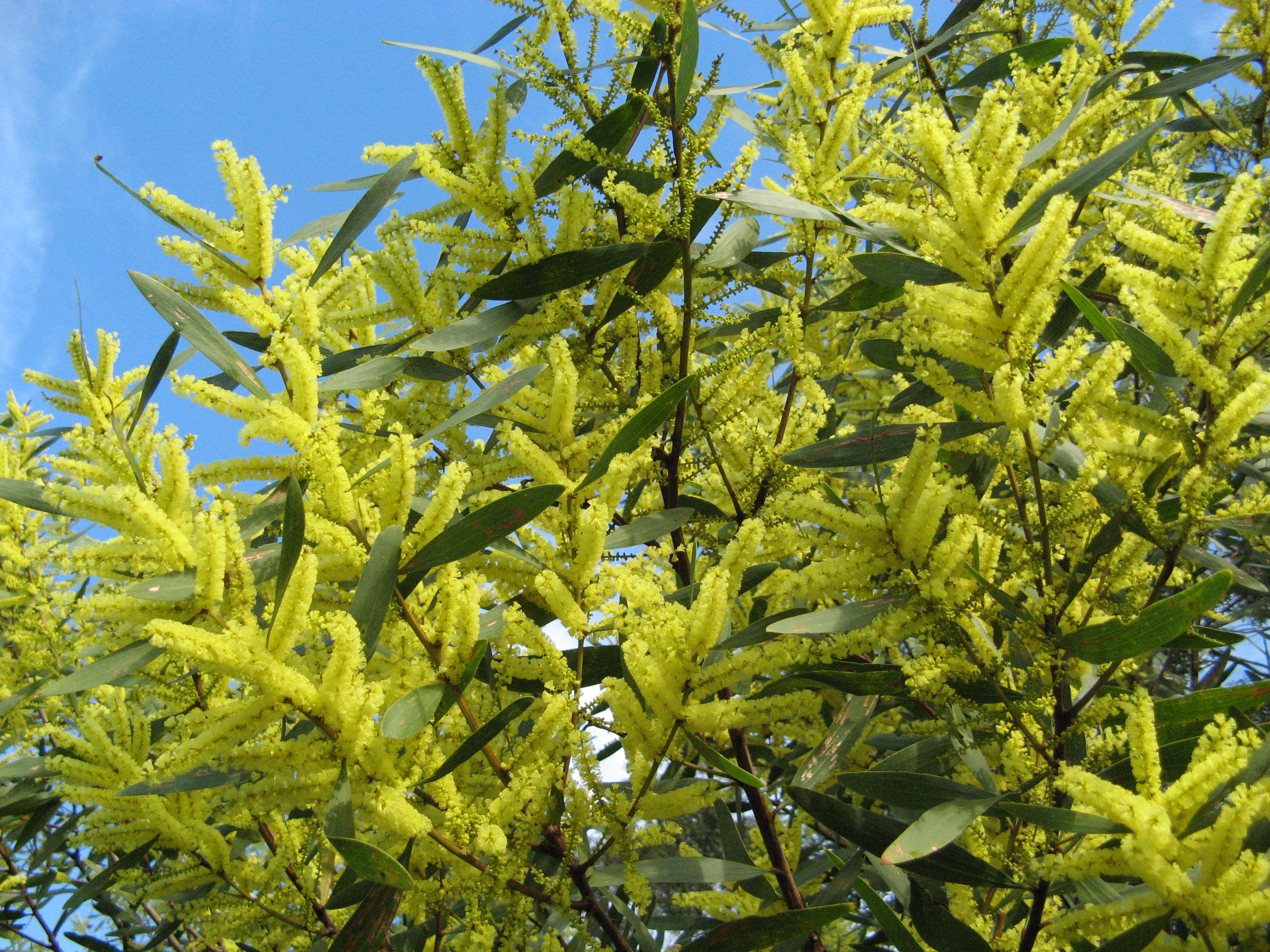
The Yellow Wattle in Bollygum is also known as Sydney Golden Wattle.

A.K.A. – Acacia longifolia

Scientific name, Acacia longiflolia.

Acacia is derived from the Greek name akakia, which refers to a thorny wattle that grows on the Nile River in Egypt.

Longifolia is a Latin word, which means ‘long leaves’.

The plant is from the family Fabaceae Mimosoideae. There are more than 950 wattle species in Australia.

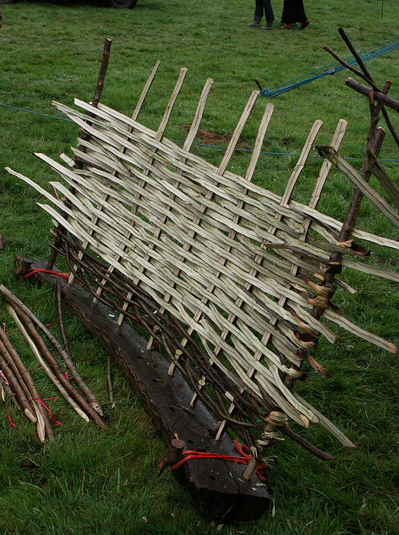
The common name ‘Wattle’ was first used by the early British settlers. Wattle was the name of the smaller flexible branches woven in a frame to form a panel used in Anglo-saxon building techniques. The early settlers found that the Acacia was perfect to use for the ancient building method and so it was soon referred to as ‘Wattle’.
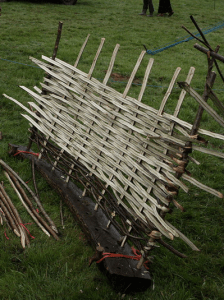
wattle construction

‘wattle’ construction

It was named ‘Sydney’ Golden wattle because it is common in the Sydney area.

HABITAT
The Yellow Wattle is native to the east coast of Australia, from Victoria to Queensland, and grows in different types of vegetation — in heathlands, woodlands and forests, often near water in creek beds or swamplands.

Because it grows so easily and has such bright, abundant flowers, it is now being grown around the world, in South Africa, New Zealand, Colombia, Uruguay, Argentina, Indonesia, Israel, Spain, Portugal, Mauritius and the USA.

THE PLANT
The Yellow Wattle can grow to be a large shrub or even a small tree 6-8m tall, but it is usually a bushy shrub, and lives between 10-20 years.

Its bark is grey and smooth.

THE LEAVES
Yellow Wattle leaves are not really leaves, they are actually flat bright to dark green stalks called petiole. They are flat, long and thin, about 20mm wide and 5-20cm long, and narrow towards the tip. On most plants leaves grow from petiole, but not on the Wattles, they don’t actually have any leaves.

THE FLOWERS
The Yellow Wattle has plenty of flowers, which grow from early winter to early spring. They are bright yellow and are long and thin and rod-shaped.
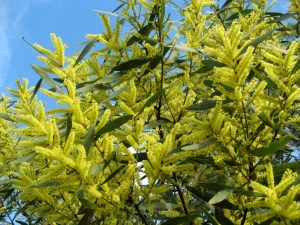
sydney golden wattle

Sydney Golden Wattle also known as Yellow Wattle

THE FRUIT
After the wattle flowers, drooping seed pods develop. These are narrow and long. They start off green at the beginning of summer, but turn brown. In each pod are four to 10 oval black seeds, which are smooth and shiny.

The plants reproduce by planting seeds. They get dispersed by animals, insects and birds, and by people.

NATIVE FRIENDS
When the Yellow Wattle flowers, it attracts bees and other insects. Parrots enjoy the seeds and pods, and wood-boring insects are attracted to the older, more woody plants.

GROW YOUR OWN
Yellow Wattles are popular to grow, because in winter they are a mass of flowers.

They can grow in many soil types, and love plenty of sun.

The Yellow Wattle doesn’t need much attention, and is good for preventing the soil from eroding. It can also form a good wind break. It was used in South Africa to stabilise sand dunes, but then grew so much that it became a weed.

It is tough enough to withstand frost.

A BIT OF HISTORY
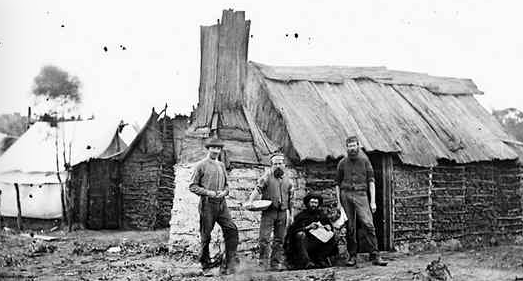
The early British settlers constructed wattle and daub buildings using the branches of the Black Wattle (Callicoma serratifolia).
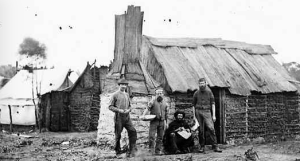
wattle and daub house

Image courtesy of: State Library New South Wales  http://www.sl.nsw.gov.au/ ” This house was constructed in regulation style, without sills, by simply driving saplings into the ground at regular intervals, on either side of which were fastened the wattles or split limbs, forming horizontal half-rounds, the space between them being filled in solid with a mixture of earth, water, and grass. The roof was made of saplings and gum bark, and a chimney erected of slabs and finished with a barrel. A trench was then dug around the hut to drain off the water, and the new residence was complete.  ” Gus Pierce 1871

Early Australian colonial settlers cultivated Wattle and used the bark to tan hides, the tannin from the bark was known for its antiseptic properties.

In 1901, with Federation, Australians looked to native plants to build the nation’s identity.

Archibald Campbell instilled pride in the wattle, and set up Wattle Day in New South Wales in September 1909. This day of celebration was soon taken up in Victoria and Queensland. the 1st of September is Wattle Day.

Golden Wattle (Acacia pycnantha) was declared the floral emblem of Australia in 1912 and appeared on the coat of arms.

The first Australian stamp with an illustration of wattle was the 1913 penny red stamp.

Source: https://en.wikipedia.org/wiki/Coat_of_arms_of_Australia

INTERESTING FACTS
Wattle wood is light, tough and hardy, and is used to make tool handles. It can be used as fuel.

Traditionally, Aboriginal Australians also used it as a source of food, gum and fibre.

They created a toffiee by soaking the gum of the golden wattle in water and honey.

When the Sydney Golden Wattle flowered, the Aboriginal people of the Sydney knew it was time to fish for mullet.

CONSERVATION STATUS
In some areas the Acacia longifolia subspecies longifolia has become an environmental weed (Victoria, South Australia and Western Australia)

Bushfires will kill older plants but will stimulate seedlings to germinate. After bushfires masses of new seedlings will appear, ready to replace the older shrubs.

REFERENCES

http://www.anbg.gov.au/emblems/aust.emblem.html
http://www.herbiguide.com.au/Descriptions/hg_Sydney_Golden_Wattle.htm
http://www.hornsby.nsw.gov.au/media/documents/environment-and-waste/bushland-and-biodiversity/native-tree-database-fact-sheets/Fact-sheet-Acacia-longifolia-Sydney-Golden-Wattle.pdf
http://keyserver.lucidcentral.org/weeds/data/03030800-0b07-490a-8d04-0605030c0f01/media/Html/Acacia_longifolia_subsp._longifolia.htm
https://en.wikipedia.org/wiki/Petiole_(botany)
http://www.herbiguide.com.au/Descriptions/hg_Sydney_Golden_Wattle.htm
https://en.wikipedia.org/wiki/Coat_of_arms_of_Australia
https://romseyaustralia.wordpress.com/2011/12/28/early-australian-settlers-bush-huts-and-homes/

Bollygum has always had a bit of magic, an ability to touch people in unexpected ways. It is only now, in its 20th year, as we take the opportunity to look back and reflect, that we understand more why this book has remained an Australian favourite.

As we started to put together plans for the launch of the 20th Anniversary edition in September, Garry’s high school daughter Claire was given a school assignment. To her amazement, the task was to analyse the story of Bollygum. She confessed to the teacher that her dad was the author. Delighted, her teacher asked her to interview her father about the inspiration behind the story.

‘It’s funny’, Garry said, ‘I’d never really discussed it before, but when I started talking to Claire about it for her project, I realised how significant all these things were and why Bollygum always had that special something, and has remained so dear to me.”

Here are Claire’s notes from her interview with her father. Garry’s words provide a wonderful insight and reveal the special threads that wove the story of Bollygum

I began writing the story when I was about 18. I recorded a draft, and then put it down for many years. After gaining a break in the publishing world through Leonie Weldon, owner of Weldon Kids publishing, I revisited the idea. Leonie appointed Ian Cockerill, a wonderful journalist and author as managing editor on the project and with his mentorship it took about six months to complete the story.

The story has always remained a personal favourite, as it was written about my childhood — events, characters and places.

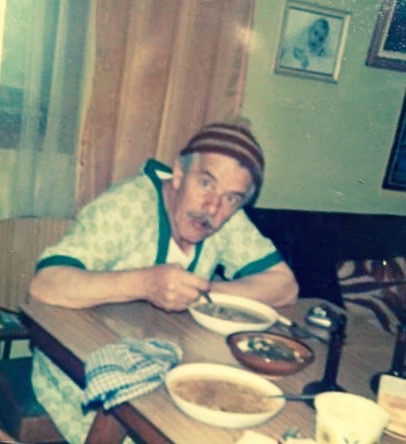
The idea was to write about animals, applying the traits and personalities of those closest to me. I grew up in a loving household with my parents, my brother and my Grandad, my mum’s father, Lawrence ‘Laurie’ Balzan.

Grandad was instrumental in who I am today. He was an incredible, intelligent man. He taught me how to make things, how to fish and how to be a better person. He was an amazing recycler (long before it became the way of the world), making clothes and undergarments from old bedsheets, and fishing floats from our used Chupa Chups sticks. He made kites from discarded Christmas wrapping paper, and re-darned 30 year old socks. (Mind you, his drawers were full of brand new un-opened packs he had been given over many years on birthdays and the like).

Some of his favourite sayings were,  ‘Mother nature was the necessity of Invention,’ (which was his version of “Necessity is the mother of invention”) and, “Laurie don’t worry”!

I have never had a friend like him, and I never will. The illustration of Wombat fishing at the start of the book is a painting of our favourite fishing spot at Picnic Point on the George’s River.

Wombat fishing

Wombat fishing

Of course my Grandad is the wise Possum in the story —the guy who solves the problems and gets the job done. I wrote myself into the story as a Platypus: a character who loves to paint and fish, and lives on the outskirts of town.

Goanna was a late entry to the story, and began as a character based on my Uncle Walter ( Laurie’s son.) He was a large man, a fearless sailor and fisherman, a man of the sea, who took on anything or anyone and beat it with pure strength! As the story evolved I gave him a real you-can-do-anything attitude,  incorporating a little bit of Leonie Weldon. She gave me the belief I could write a bestseller!

Wombat was actually based on a guy a few years older than me who lived in my street. He was quite a shy, misunderstood boy. I gave Wombat’s character some things that meant lots to me — like wanting to catch fish all the time, and always admiring someone who could.

I drew on Little Possum’s character from a girl I had met a few years before. She was little and cute, and we really hit it off. I even considered a long-term relationship with her.

But we ended up being very different in our outlook on the future. She was a city girl who could never see herself living in the country or the bush, and I was the opposite. I used her surname for the city family where Possum lived, ‘The Raymonds’. As fate would have it, we are still great friends today; and guess what — she lives with her family in the heart of Sydney, and I live with mine … in the country.

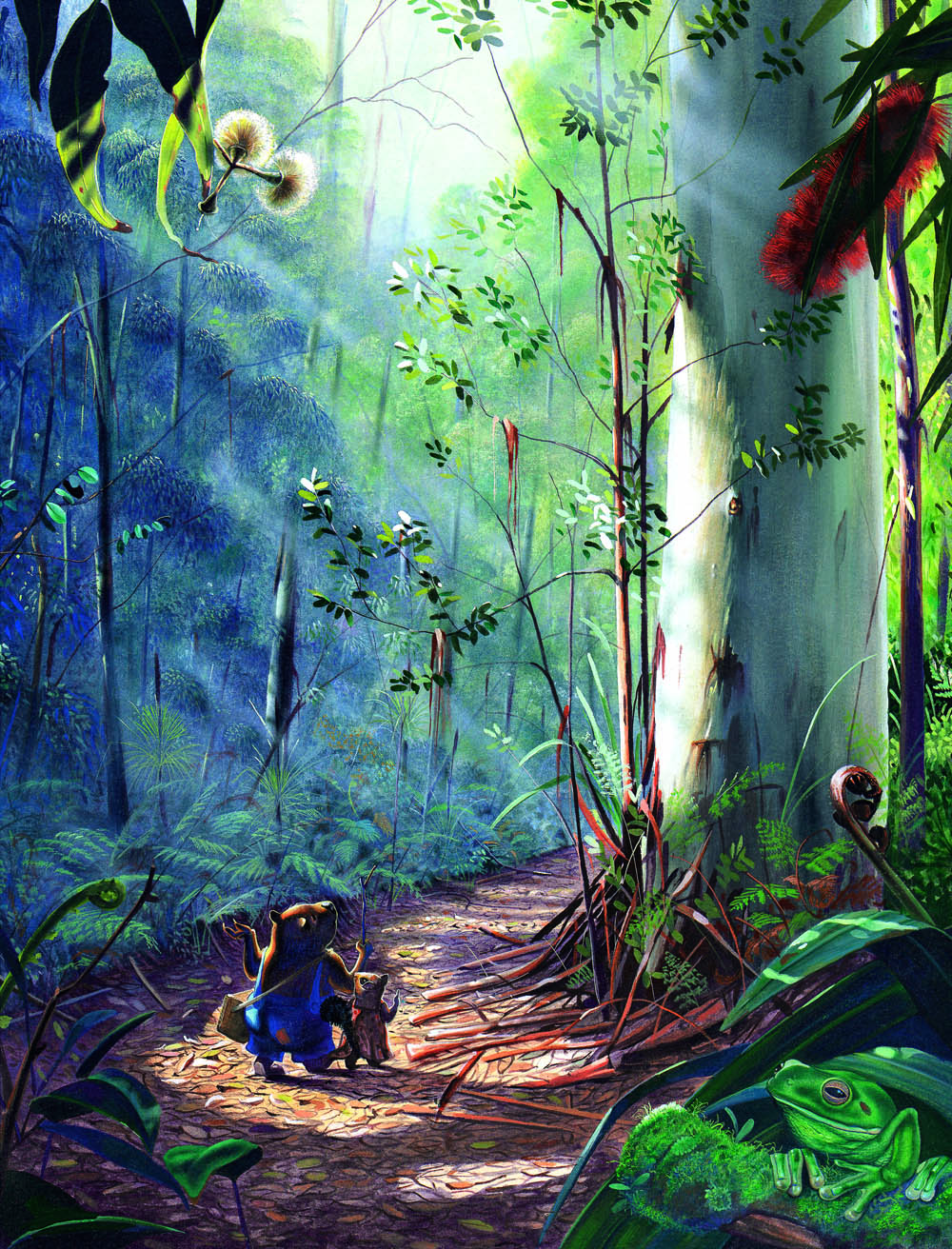
Wombat and Possum on their way to Platypus's house

Wombat and Little Possum and their way to Platypus’ house.

leaving Bollygum

Sunset as the party leave Bollygum on their adventure

The illustrations of Little Possum and Wombat walking down the path to Platypus’ house and the sunset over the gorge as they leave Bollygum were both inspired by one of my family’s favourite bushwalks from Wentworth Falls to Murphy Glen in the Blue Mountains National park just out of Sydney.

The story is really just an adventure. It has a strong environmental message, exploring our great country and its wild places.

The story also has lots of sentimental moments, and these are also based on my experiences. My Grandad passed away from leukemia just before I completed the story. In my original writings, wise Possum found the healing tree. However, after Grandad passed, I changed the story, and wise Possum was devastated that he never found the healing tree. It was exactly how I felt: I didn’t find a healing tree for my Grandad. The blue button also revolves around his passing. He gave me a blue sapphire ring that had belonged to his dad. He asked me to ‘keep it safe’. I keep it in a small felt box in my desk drawer.

So these are some of the reasons that this story will always remain my favourite book. I hope it lives on for many years to come.

August 2015, 20 years after Bollygum was first published, and 26 years after I first thought of the story.

Lawrence Balzan, 'Laurie'

My grandfather ‘Laurie’ eating his home-made soup that he made every day.